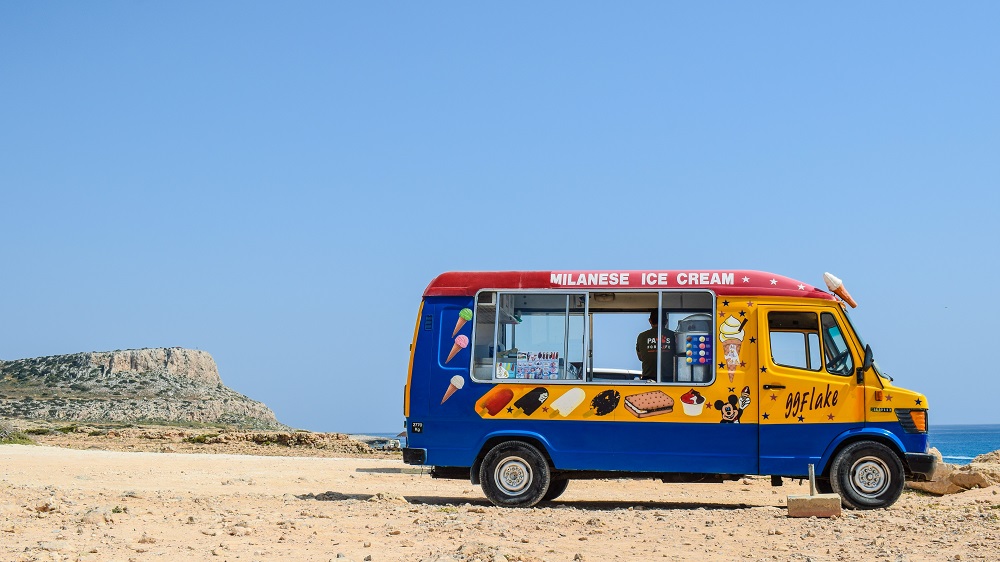
The Future of Vans: Trends and Developments in Van Technology and Design

Vans have long been a staple in various industries, from transportation and delivery services to camper vans and mobile offices. As technology continues to advance and consumer demands evolve, the van industry is experiencing significant changes in terms of technology and design. In this article, we will explore the future of vans by examining emerging trends and developments in van technology and design.

Electric and Hybrid Powertrains:

One of the most notable trends in the automotive industry, including the van sector, is the shift toward electric and hybrid powertrains. As the world focuses on reducing greenhouse gas emissions and transitioning to sustainable energy sources, vans are following suit. Electric and hybrid vans offer benefits such as lower emissions, reduced fuel costs, and quieter operation. Major automakers are investing heavily in developing electric and hybrid van models, and advancements in battery technology are improving range and charging capabilities.

Autonomous Driving:

Autonomous driving technology is rapidly advancing, and vans are poised to benefit from this innovation. The ability for vans to operate autonomously has the potential to revolutionize various industries, including transportation and delivery services. Autonomous vans can enhance efficiency, reduce labor costs, and increase safety by eliminating the need for a human driver. Companies such as Waymo and Tesla are already testing autonomous van prototypes, and it’s only a matter of time before this technology becomes more widespread.

Connectivity and IoT Integration:

The Internet of Things (IoT) has transformed numerous industries, and vans are no exception. Vans are becoming increasingly connected, allowing for seamless integration with other devices and systems. Connectivity enables features such as real-time tracking, remote diagnostics, and fleet management solutions. Vans equipped with IoT technology can optimize routes, monitor fuel consumption, and provide data-driven insights to improve operational efficiency.

Advanced Safety Features:

Safety is a top priority in the automotive industry, and vans are benefiting from advancements in safety technology. Van manufacturers are incorporating features such as collision avoidance systems, lane departure warnings, blind-spot monitoring, and adaptive cruise control into their models. These features enhance driver and passenger safety, reduce accidents, and provide peace of mind on the road.

Lightweight Materials and Aerodynamics:

Efficiency and sustainability are key considerations in van design. To improve fuel efficiency and reduce emissions, manufacturers are exploring the use of lightweight materials and aerodynamic designs. Lightweight materials such as aluminum and composites are replacing heavier steel components, reducing overall vehicle weight. Aerodynamic enhancements, including sleek body designs and specialized airflow management, are reducing drag and improving fuel economy.

Flexible and Modular Interiors:

The versatility and adaptability of van interiors are becoming increasingly important. Van owners and operators require flexible spaces that can be easily modified to accommodate different needs. Manufacturers are incorporating modular designs, allowing for customizable and configurable interiors. Foldable seats, removable partitions, and flexible storage solutions provide flexibility for various applications, whether it’s cargo transport, passenger transportation, or camper van conversions.

Enhanced Connectivity and Infotainment Systems:

The rise of smartphones and digital connectivity has changed consumer expectations for in-vehicle technology. Van manufacturers are incorporating advanced infotainment systems with touchscreen displays, smartphone integration, and voice-activated controls. These systems provide features such as navigation, entertainment options, and hands-free communication, making the driving experience more convenient and enjoyable.

Sustainability and Eco-Friendly Features:

With increased environmental awareness, van manufacturers are incorporating eco-friendly features and sustainability practices into their designs. This includes using eco-friendly materials, employing sustainable manufacturing processes, and implementing energy-efficient technologies. Additionally, vans are being equipped with regenerative braking systems and start-stop technology to reduce energy consumption and emissions.

Improved Cargo Management and Accessibility:

Cargo management is a critical aspect of vans used for transportation and delivery services. Manufacturers are incorporating innovative features to improve cargo accessibility and organization. This includes features such as sliding doors, low cargo floors, adjustable shelving systems, and integrated tie-downs. These enhancements improve efficiency in loading and unloading cargo, saving time and effort for operators.

Design Aesthetics:

Vans are no longer solely focused on utility; design aesthetics are also gaining importance. Automakers are investing in sleeker and more modern designs that appeal to consumers. Vans are becoming more stylish and visually appealing, catering to customers who prioritize both functionality and aesthetics.

The future of vans is evolving to meet the demands of a changing world. Electric and hybrid powertrains, autonomous driving, connectivity, advanced safety features, lightweight materials, modular interiors, enhanced infotainment systems, sustainability, improved cargo management, and appealing design aesthetics are all shaping the future of vans. As technology continues to advance, vans will become more efficient, connected, and environmentally friendly. These developments will not only benefit industries such as transportation and delivery services but also provide more comfortable and enjoyable experiences for van owners and passengers.

Generated by ChatGPT

What Are Some Interesting Facts About A Van?

Photo by Igor Starkov

Vans are one of the most versatile vehicles on the road, capable of carrying both passengers and cargo with ease. They come in a variety of sizes, from compact minivans to large cargo vans, and are used for a wide range of purposes, from family transportation to commercial deliveries. But beyond their practicality, vans have a rich history and a number of interesting facts that many people may not be aware of. In this article, we will explore some of the most fascinating facts about vans.

  1. The first van was built in the 1800s Although the term “van” was not coined until the 20th century, the concept of a vehicle designed for carrying goods dates back to the 1800s. In 1896, the German company Daimler-Motoren-Gesellschaft produced a vehicle called the “van wagon,” which was essentially a horse-drawn carriage with an enclosed body designed for carrying goods. The first motorized van was produced by the French company Peugeot in 1895.
  2. The Volkswagen Type 2 (a.k.a. the “VW Bus”) is one of the most iconic vans of all time The Volkswagen Type 2, also known as the “VW Bus” or “Combi,” is one of the most recognizable and beloved vans in history. Produced from 1950 to 2013, the VW Bus was originally designed as a commercial vehicle but became popular with hippies and surfers in the 1960s and 1970s. It was also used as a mobile home and as a symbol of counterculture. The VW Bus has since become a cultural icon and is highly sought after by collectors and enthusiasts.
  3. Vans have played a significant role in the development of music From the 1960s to the 1990s, vans were a popular mode of transportation for bands and musicians, who used them to haul equipment and travel between gigs. The Ford Econoline and Chevrolet Van were particularly popular among musicians, and the latter was even immortalized in the song “Chevy Van” by Sammy Johns. Vans have also been featured in album covers, music videos, and even song lyrics, such as the Beastie Boys’ “Slow Ride” and the Grateful Dead’s “The Golden Road (To Unlimited Devotion).”
  4. Vans have been used as mobile studios, classrooms, and offices Because of their versatility and spacious interiors, vans have been used for a wide range of purposes beyond transportation. They have been converted into mobile recording studios, classrooms, and even offices, allowing people to work or learn on the go. Some companies have even developed van-based coworking spaces, allowing remote workers to collaborate and network while on the road.
  5. Vans are popular among outdoor enthusiasts and adventurers Vans are a popular choice for outdoor enthusiasts and adventurers who want to travel and explore while still having the comforts of home. Vanlife, or the practice of living in a van full-time, has become a popular lifestyle choice in recent years, with many people converting vans into fully functional homes with kitchens, bathrooms, and sleeping areas. Vans are also used for camping, hiking, and other outdoor activities, as they can easily transport gear and provide a comfortable space to rest and relax.
  6. Vans have been used in movies and television shows Vans have been featured in a number of movies and television shows over the years, often as a symbol of freedom, independence, and rebellion. In the 1970s, the TV series “The A-Team” featured a GMC Vandura van with a distinctive red stripe, which became an icon of the show. In the movie “Little Miss Sunshine,” the family travels in a VW Bus to a beauty pageant, while in the movie “Dumb and Dumber,” the main characters travel in a modified dog van. Vans have also been used in other films, such as “Scooby Doo,” “Transformers,” and “Fast Times at Ridgemont High.”
  7. Vans have been the subject of art and fashion Vans have been a popular subject in art and fashion, with many artists and designers incorporating them into their work. The iconic checkerboard pattern of Vans shoes, for example, has become a signature of the brand and has been featured in countless designs and collaborations. Vans have also been the subject of street art, murals, and other forms of public art.
  8. Vans have a long history in motorsports Vans have been a popular choice in motorsports for decades, particularly in drag racing and street racing. Vans are often modified for racing, with engines and suspension systems upgraded for performance. The Chevrolet Van, in particular, has a long history in drag racing, with notable drivers such as “Jungle Jim” Liberman and “TV Tommy” Ivo competing in them in the 1960s and 1970s.
  9. Vans are used for humanitarian aid and disaster relief In addition to their commercial and recreational uses, vans have also been used for humanitarian aid and disaster relief. Vans are often used to transport supplies, equipment, and personnel to areas affected by natural disasters, such as hurricanes, earthquakes, and floods. They are also used by aid organizations to provide medical assistance, food and water, and other forms of relief.
  10. Vans are becoming increasingly eco-friendly As concerns about climate change and environmental sustainability continue to grow, van manufacturers are increasingly focused on developing eco-friendly vehicles. Many vans now feature hybrid or electric engines, as well as other environmentally conscious features such as solar panels and energy-efficient lighting. These innovations are helping to reduce the environmental impact of van transportation and make them a more sustainable choice for the future.

Vans have a rich history and a number of interesting facts that many people may not be aware of. From their origins in the 1800s to their use in music, art, and motorsports, vans have played a significant role in many different aspects of culture and society. Whether used for transportation, recreation, or humanitarian aid, vans continue to be an important part of our lives and a symbol of freedom and independence.

Top 4 Things That Make Vans So Unique

Photo by Pixabay

Vans, the iconic American footwear brand, has become a global phenomenon with a cult following. From skateboarders and surfers to fashion enthusiasts and musicians, Vans has managed to capture the hearts of people from different walks of life. But what makes Vans so unique? In this article, we will explore the history, culture, and design elements that make Vans stand out from the crowd.

1. History

Vans was founded in 1966 by Paul Van Doren, Gordon Lee, James Van Doren, and Serge D’Elia in Anaheim, California. The brand initially started as a small shoe store that sold canvas sneakers with a unique diamond-shaped pattern on the sole. The shoes quickly gained popularity among skateboarders and surfers in Southern California, who were looking for durable and comfortable footwear that could withstand the demands of their sports.

In the 1970s, Vans began to expand its product line and introduced the “Off the Wall” logo, which became synonymous with the brand’s rebellious and countercultural ethos. Vans continued to innovate and push the boundaries of footwear design by introducing new styles and collaborations with artists and musicians.

2. Culture

Vans has always been more than just a shoe brand. It represents a culture of self-expression, creativity, and individuality. Vans’ association with skateboarding and surfing subcultures has given it a unique identity that resonates with people who identify with alternative lifestyles and counter-culture movements.

The brand has also been instrumental in supporting the music industry, particularly in the punk rock and hip hop genres. Vans has sponsored countless music festivals, concerts, and events, providing a platform for emerging artists and musicians to showcase their talents.

3. Design Elements

One of the key design elements that make Vans unique is its commitment to simplicity and functionality. Vans’ classic designs are minimalistic, with clean lines and understated aesthetics that allow the wearer to express themselves without being weighed down by flashy logos or embellishments.

Vans’ signature checkerboard pattern is another iconic design element that has become synonymous with the brand. The pattern was originally inspired by the rubber diamond-shaped soles of Vans’ first sneakers and was later adapted into a distinctive black and white checkered pattern that has become a hallmark of the brand.

Vans also offers a wide range of customization options that allow customers to create their own unique designs. The brand’s custom shoe program allows customers to choose from a variety of colors, patterns, and materials to create a one-of-a-kind pair of sneakers.

4. Sustainability

In recent years, Vans has also been making strides towards sustainability by incorporating eco-friendly materials and production methods into their products. The brand has introduced a range of sneakers made from recycled materials, such as plastic bottles and rubber tires, and has also implemented water-saving and energy-efficient practices in their manufacturing facilities.

Vans’ unique blend of history, culture, design, and sustainability has made it a beloved brand that resonates with people from all over the world. From its humble beginnings as a small shoe store in California to becoming a global phenomenon, Vans has remained true to its roots and continued to push the boundaries of footwear design.

Whether you’re a skateboarder, surfer, musician, or just someone who appreciates well-designed and functional footwear, Vans has something to offer. Its commitment to self-expression, creativity, and sustainability has made it a brand that stands out from the crowd and will continue to inspire generations to come.

Scroll to top