Open post
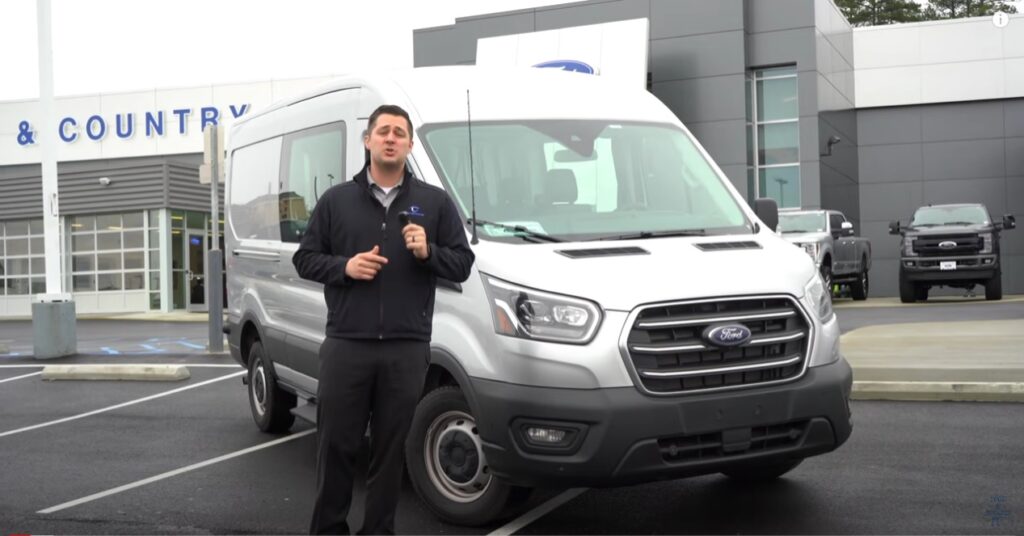
Person sitting inside a cargo van, illustrating interior space affected by wheelbase and roof height.

How Wheelbase and Roof Height Make or Break Your Van’s Usability

TL;DR

Before choosing a van, pay close attention to two key specifications: wheelbase length and roof height. These features have a direct impact on driving comfort, cargo capacity, parking, interior layout, and everyday usability.

Here’s a quick summary:

  • Short wheelbase: Easier to maneuver, park, and navigate city streets.
  • Long wheelbase: More interior space, better highway stability, and ideal for van conversions or commercial use.
  • Low roof: Fits in more garages but limits standing room.
  • Medium roof: Offers a balance between comfort and clearance.
  • High roof: Provides full standing height and maximum storage, but may not fit under many parking structures.

Choosing the right combination depends on how you plan to use your van. A thoughtful decision now can save years of frustration later.


Why Wheelbase and Roof Height Matter More Than You Think

Buying a van is about much more than choosing a favorite brand, color, or trim package. The two measurements that often have the biggest impact on daily life are wheelbase length and roof height. While they may seem like simple specifications on a brochure, they influence almost every part of owning and using a van.

The right combination makes driving easier, parking less stressful, and living or working inside far more comfortable. The wrong combination can leave you struggling with tight parking spaces, limited storage, or constantly ducking your head whenever you step inside.

Whether you’re shopping for a camper van, a work vehicle, or an adventure rig, understanding these two dimensions will help you choose a van that truly fits your lifestyle.


Understanding Wheelbase and Roof Height

Before comparing models, it’s helpful to understand exactly what these terms mean.

Wheelbase is the distance between the front and rear axles. This measurement determines how much usable floor space you have inside while also affecting handling, turning radius, and ride quality.

Roof height measures the distance from the ground to the top of the van. It influences interior standing room, storage options, and whether your van can fit inside garages, parking structures, or under low overhangs.

Popular vans in the United States, including the Ford Transit, Mercedes Sprinter, and Ram ProMaster, are available in multiple wheelbase and roof configurations. Having more choices is a major advantage, but it also means selecting the right combination requires careful planning.


Why Wheelbase Length Matters

Interior Layout and Living Space

Your wheelbase essentially determines the floor plan inside your van.

A short wheelbase, typically ranging from about 130 to 144 inches on many models, offers excellent maneuverability. However, the shorter interior limits how much furniture, equipment, or storage you can install.

A long wheelbase, often measuring 148 to 170 inches or more, adds several feet of usable floor space. Those extra feet can dramatically improve your interior layout.

With a longer wheelbase, you can:

  • Fit a full-size bed alongside a kitchen.
  • Create dedicated areas for sleeping, cooking, working, and storage.
  • Install longer shelving for contractors and service professionals.
  • Carry larger tools or bulky equipment more comfortably.
  • Design a spacious camper conversion with fewer compromises.

If you plan to live in your van full time or transport large cargo regularly, the additional interior space is often well worth the larger footprint.


Driving Comfort and Highway Stability

Wheelbase affects more than interior space. It also changes how the van behaves on the road.

Long wheelbase vans generally feel more planted during highway driving. They track straighter, absorb bumps more smoothly, and often inspire greater confidence during long-distance travel.

They are particularly well suited for:

  • Cross-country road trips
  • Heavy payloads
  • Commercial hauling
  • Towing small trailers
  • Long hours on interstate highways

Short wheelbase vans offer a completely different driving experience. They feel more agile and responsive, making them ideal for situations where maneuverability matters most.

They excel in:

  • Busy downtown areas
  • Crowded job sites
  • Tight residential neighborhoods
  • Narrow forest roads
  • Small campgrounds

For many drivers who split time between urban driving and weekend adventures, a medium wheelbase often provides an excellent balance.


Parking and Everyday Convenience

Daily parking is where wheelbase differences become impossible to ignore.

A long wheelbase van requires wider turns and significantly more room when parking. Navigating compact parking lots, drive-thrus, or older downtown streets can quickly become frustrating.

By comparison, short wheelbase vans:

  • Fit into standard parking spaces more easily.
  • Require less room to make tight turns.
  • Are easier to parallel park.
  • Handle narrow roads with greater confidence.

If your daily routine includes frequent city driving, parking garages, or compact neighborhoods, choosing a shorter or medium wheelbase may make everyday life much easier.


Why Roof Height Can Completely Change Your Experience

Standing Room and Everyday Comfort

Roof height is one of the first things owners notice after buying a van because it affects nearly every moment spent inside.

Low Roof

A low-roof van is typically under 84 inches tall on the exterior.

Benefits include:

  • Better garage access
  • Easier parking
  • Improved stealth for overnight parking

The tradeoff is that you’ll spend most of your time crouching or sitting inside.


Medium Roof

Medium-roof vans usually measure around 100 to 101 inches on many Ford Transit models.

They provide significantly more headroom than low roofs, allowing many people to stand comfortably, although taller individuals may still need to bend slightly.

This option offers a practical middle ground between comfort and clearance.


High Roof

High roofs generally range from 107 to 113 inches tall.

Inside a high-roof Ford Transit or Mercedes Sprinter, you’ll typically enjoy approximately 79 to 81 inches of interior standing height.

That extra space makes everyday activities much easier, including:

  • Cooking meals
  • Changing clothes
  • Working on projects
  • Moving around comfortably
  • Spending extended periods inside

For full-time van living, many owners consider a high roof one of the best investments they can make.


More Roof Height Means More Storage Options

A taller roof creates opportunities that simply aren’t available in lower models.

Additional height allows you to:

  • Install overhead cabinets
  • Add upper storage bins
  • Carry bikes or skis inside
  • Store ladders vertically
  • Install thicker insulation while maintaining comfortable headroom

Tradespeople benefit from taller shelving and organized tool storage, while van life enthusiasts gain a much more functional living space.


The Downside of Taller Vans

Although high roofs provide outstanding comfort, they also introduce new challenges.

Many parking garages throughout the United States have clearance limits between 7 feet (84 inches) and 8 feet 2 inches (98 inches).

Many high-roof vans measure approximately 8 feet 9 inches to 9 feet 4 inches tall, which means they often cannot enter:

  • Downtown parking garages
  • Older parking structures
  • Some drive-thrus
  • Certain covered loading areas
  • Fuel stations with low canopies

Medium-roof vans typically measure around 8 feet to 8 feet 4 inches, allowing access to some garages, although not all.

Low-roof vans clear most height restrictions but sacrifice valuable interior comfort.

If garage parking is part of your daily routine, measuring available clearance before purchasing your van is one of the smartest decisions you can make.


Comparing Popular U.S. Van Models

Ford Transit

The Ford Transit is available with three roof heights and two primary wheelbases.

Popular configurations include:

  • Regular 130-inch wheelbase with low, medium, or high roof
  • Long 148-inch wheelbase with medium or high roof

High-roof Transit models provide approximately 81.5 inches of cargo height, allowing most adults to stand comfortably while enjoying generous interior space.

Long wheelbase versions offer additional cargo length but require more space for turning and parking.


Mercedes Sprinter

The Mercedes Sprinter is commonly available with 144-inch and 170-inch wheelbases.

Roof options include standard and high configurations.

A 144-inch high-roof Sprinter combines standing room with relatively manageable handling, making it a popular choice for solo travelers and couples.

A 170-inch high-roof Sprinter stretches to roughly 274 inches in overall length, creating enough room for separate sleeping, cooking, storage, and work areas. The tradeoff is reduced maneuverability in crowded areas.


Ram ProMaster

The Ram ProMaster comes with wheelbases of approximately:

  • 118 inches
  • 136 inches
  • 159 inches

It also offers two common roof heights.

  • H1: Approximately 65.4 inches of interior height
  • H2: Approximately 76 inches of interior height

Its front-wheel-drive platform and wide body create an open interior that many builders appreciate. However, higher-roof versions still encounter the same garage clearance challenges found with other full-size vans.


Which Setup Is Right for You?

Weekend Adventurers

If your van is primarily for camping and outdoor recreation, consider:

  • A short or medium wheelbase for easier trail access and parking.
  • A medium or high roof for extra comfort after long days outdoors.

Full-Time Van Lifers

Living in your van year-round places comfort at the top of the priority list.

The ideal setup is often:

  • Long wheelbase
  • High roof

This combination provides generous storage, flexible interior layouts, and enough standing room to make everyday life significantly more enjoyable.


Tradespeople and Delivery Drivers

For professionals who rely on their van every day, practicality comes first.

A medium or long wheelbase provides room for:

  • Shelving systems
  • Tool storage
  • Equipment organization
  • Larger cargo loads

A high roof works well when carrying taller equipment or installing overhead storage, while a medium roof may be the better option if regular access to parking garages or low canopies is required.


Quick Decision Checklist

Before making your final purchase, ask yourself these questions:

  • Do you want to stand comfortably inside your van? Choose a high roof.
  • Will you park in crowded city areas every day? Consider a short or medium wheelbase.
  • Do you spend lots of time on highways? A long wheelbase provides greater stability.
  • Does your van need to fit inside a garage or under an 8-foot clearance? Measure carefully and look at medium or low roof options.
  • Are you planning a camper conversion or custom interior build? A long wheelbase paired with a high roof offers the greatest flexibility.

Answering these questions honestly will narrow your options and help you avoid buyer’s remorse.


Final Thoughts

Wheelbase and roof height are far more than technical specifications. They influence how your van drives, how comfortable it feels, how much you can carry, and how enjoyable it is to use every single day.

The best choice is not necessarily the biggest or tallest van. It is the one that fits your daily routine, your travel style, and your long-term goals.

Take time to think about where you’ll park, how often you’ll drive in cities, whether you’ll live or work inside the van, and how much interior space you truly need. Visualize your busiest workday and your dream road trip. Those real-world scenarios will point you toward the right combination.

When wheelbase and roof height align with your lifestyle, your van becomes much more than transportation. It becomes a dependable workspace, a comfortable home away from home, or the perfect companion for every adventure ahead.

This post is generated by Chatgpt.
Open post
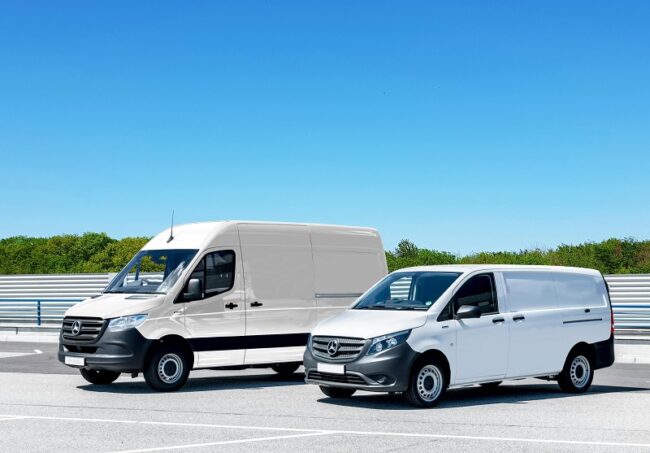
Two commercial cargo vans illustrating payload capacity and towing capacity considerations when choosing the right van for work or towing needs

Payload vs. Towing Capacity Explained: Which Matters When Choosing a Van?

TL;DR

If your van will mostly carry tools, equipment, passengers, or inventory inside, focus on payload capacity. If you’ll regularly pull a trailer, camper, or equipment behind your van, pay closer attention to towing capacity. Many buyers make the mistake of looking at only one number, but the safest choice is understanding how payload, towing capacity, GVWR, GCWR, and tongue weight all work together.

Quick answer:

  • Carrying cargo inside the van? Prioritize payload.
  • Pulling trailers? Prioritize towing capacity.
  • Doing both? Check payload, towing capacity, and GCWR before making a decision.

This guide breaks everything down in simple terms, shows real-world examples, and gives you a practical checklist to help you choose the right van with confidence.

Choosing a Van? Here’s Why These Numbers Matter

Shopping for a van can be exciting, but it can also feel overwhelming once you start comparing specifications. Manufacturers often highlight payload capacity, towing capacity, GVWR, and other technical terms that can make it difficult to know what actually matters for your needs.

The good news is that these numbers are easier to understand than they seem.

Whether you’re running a small business, delivering products, hauling tools to job sites, or planning weekend camping adventures, understanding payload and towing capacity can help you avoid costly mistakes and choose a van that performs safely and efficiently.

Let’s break it down.

What Is Payload Capacity?

Payload capacity is the total amount of weight your van can safely carry.

This includes:

  • Passengers
  • Cargo
  • Tools and equipment
  • Roof-mounted gear
  • Shelving systems
  • Aftermarket accessories

Think of payload as everything added to the van after it leaves the factory.

If the weight is inside the van, sitting on top of it, or attached to it, it counts toward payload.

For many tradespeople, contractors, delivery companies, and service businesses, payload is often the most important number because it directly affects how much equipment and inventory can be transported every day.

What Is Towing Capacity?

Towing capacity refers to the maximum weight your van can safely pull behind it using a trailer hitch.

Examples of items that affect towing capacity include:

  • Utility trailers
  • Travel trailers
  • Boats
  • Landscaping equipment
  • Construction machinery
  • Cargo trailers

An easy way to remember the difference is this:

Payload is what your van carries. Towing capacity is what your van pulls.

If your work or lifestyle involves trailers, towing capacity becomes just as important as payload.

Understanding the Key Weight Ratings

Before comparing vans, it’s worth understanding a few important weight-related terms you’ll see in specification sheets.

GVWR (Gross Vehicle Weight Rating)

GVWR is the maximum allowable weight of the fully loaded van.

This includes:

  • The vehicle itself
  • Passengers
  • Fuel
  • Cargo
  • Accessories

Manufacturers determine this limit to ensure safe braking, handling, and structural integrity.

Curb Weight

Curb weight is the weight of the empty van with all necessary fluids and a full fuel tank.

It does not include passengers, tools, or cargo.

GCWR (Gross Combined Weight Rating)

GCWR represents the maximum combined weight of:

  • The loaded van
  • The trailer
  • Everything inside both

This number becomes especially important if you regularly carry heavy cargo and tow a trailer at the same time.

Tongue Weight

Tongue weight is the downward force the trailer places on the hitch.

Most trailers perform best when tongue weight falls between 10 and 15 percent of total trailer weight.

Maintaining the correct tongue weight helps improve stability and control while driving.

Payload Calculator

A payload calculator helps determine how much weight a van can safely carry.

The calculation is simple:

Payload Capacity = GVWR − Curb Weight

Knowing this number can help you avoid overloading your vehicle and exceeding manufacturer limits.

Quick Payload Formula Example

Let’s look at a simple example.

Suppose a van has:

  • GVWR: 9,000 pounds
  • Curb Weight: 6,500 pounds

The calculation would be:

Payload Capacity = 9,000 − 6,500 = 2,500 pounds

In this case, the van can safely carry up to 2,500 pounds of passengers, cargo, tools, and accessories combined.

Why Tongue Weight Matters More Than Many Buyers Realize

Tongue weight plays a major role in towing safety.

When tongue weight is too low, the trailer may sway from side to side, especially at highway speeds.

When tongue weight is too high, the rear of the van can sag. This can reduce steering responsiveness, affect braking performance, and place unnecessary stress on suspension components.

Here’s a simple example:

Imagine you’re towing a trailer that weighs 3,000 pounds.

If the recommended tongue weight is 10 percent, the hitch will carry approximately 300 pounds.

If your van’s tongue weight rating is 500 pounds, you’re safely within the limit.

Getting this balance right can make towing smoother, safer, and far more comfortable.

Real-World Example #1: Light Commercial Delivery

Let’s say you own a small flooring company.

A typical daily load might include:

  • Three rolls of underlayment: 150 pounds
  • Ten boxes of flooring: 1,200 pounds
  • Tools and ladder: 200 pounds
  • Two passengers: 350 pounds

Total load: 1,900 pounds

If your cargo van offers a payload capacity of 2,500 pounds, you’re comfortably within the limit and still have room for additional supplies.

In this situation, payload capacity matters much more than towing capacity because everything is being carried inside the van.

Real-World Example #2: Weekend Camper Towing

Now let’s switch gears.

Imagine you’re planning weekend camping trips and want to tow a small travel trailer.

Your setup looks like this:

  • Trailer dry weight: 2,500 pounds
  • Camping gear and water: 400 pounds
  • Total trailer weight: 2,900 pounds
  • Recommended tongue weight: 290 pounds

If your van has:

  • Towing capacity: 5,000 pounds
  • Tongue weight limit: 500 pounds

You’re safely within both limits.

However, there’s one more important step.

You should also verify that the combined weight of the loaded van and trailer remains below the vehicle’s GCWR.

Many people overlook this rating, but it can be the deciding factor in whether a setup is truly safe.

How to Choose Based on Your Needs

Still not sure which specification deserves your attention?

Use this simple guide.

Choose Higher Payload If You:

  • Transport tools daily
  • Deliver products or inventory
  • Carry multiple passengers regularly
  • Operate a service vehicle
  • Rarely use a trailer

Choose Higher Towing Capacity If You:

  • Tow campers
  • Pull equipment trailers
  • Transport boats
  • Haul landscaping equipment
  • Frequently use enclosed cargo trailers

Need Both?

If your van will regularly carry heavy cargo and tow a trailer, look for:

  • Higher payload ratings
  • Strong towing capacity
  • Adequate GCWR
  • Proper hitch ratings
  • Suspension systems designed for heavier loads

A heavier-duty van may provide the best long-term value in these situations.

Common Mistakes Buyers Make

Even experienced buyers sometimes overlook important details.

Here are some of the most common mistakes:

Assuming Payload and Towing Capacity Are the Same

They measure two completely different capabilities.

One relates to carrying weight. The other relates to pulling weight.

Forgetting Passengers Count Toward Payload

Passengers often account for hundreds of pounds.

Ignoring their weight can lead to inaccurate calculations.

Ignoring Tongue Weight

A trailer may fall within towing limits but still exceed hitch or tongue weight ratings.

Always verify both.

Overloading Roof Racks

Roof-mounted equipment adds weight too.

Never assume roof capacity matches payload capacity.

Skipping GCWR Checks

This is one of the most common towing mistakes.

A setup can be under payload limits and towing limits while still exceeding the GCWR.

How to Avoid These Mistakes

Fortunately, avoiding these issues is straightforward.

Before loading or purchasing a van:

  • Add up passenger weight
  • Include tools and equipment
  • Account for accessories and modifications
  • Verify GVWR and GCWR
  • Confirm hitch ratings
  • Check tongue weight limits
  • Use a scale for heavy loads when possible

A few minutes of planning can prevent expensive repairs and safety concerns later.

Practical Tips for Safe Loading and Towing

Once you’ve selected the right van, loading it correctly becomes just as important.

Here are some practical best practices:

Keep Heavy Cargo Low and Centered

Position heavier items close to the axle whenever possible.

This improves vehicle balance and handling.

Secure Everything

Loose cargo can shift during braking or cornering.

Use straps, tie-downs, and cargo barriers when appropriate.

Measure Tongue Weight

Don’t rely on estimates.

Use a tongue weight scale or visit a commercial truck scale for accurate measurements.

Consider a Weight Distribution Hitch

For larger trailers, a weight distribution hitch can improve stability and help distribute weight more evenly.

Check Tires and Brakes

Before towing or hauling heavy loads, inspect:

  • Tire pressure
  • Tire condition
  • Brake performance
  • Trailer lighting

These quick checks can significantly improve safety.

Quick Checklist Before Buying or Packing a Van

Use this checklist anytime you’re evaluating a van or preparing for a trip:

✅ Check the GVWR, curb weight, and GCWR

✅ Calculate payload capacity

✅ Verify towing capacity

✅ Confirm tongue weight limits

✅ Add passenger and cargo weights

✅ Review hitch ratings

✅ Consider future cargo needs

✅ Test drive a loaded setup if possible

✅ Inspect tires, brakes, and suspension

✅ Make sure all weights remain within manufacturer limits

Closing Thoughts

Payload capacity and towing capacity answer two very different questions, but both play a critical role in choosing the right van.

Payload tells you how much weight the van can safely carry inside and on top of the vehicle. Towing capacity tells you how much weight it can safely pull behind it.

The best choice depends on how you actually use your van.

If you spend most of your time hauling tools, inventory, or equipment, prioritize payload. If trailers are part of your routine, pay close attention to towing capacity, tongue weight limits, and GCWR.

By understanding these ratings and using the checklist above, you’ll be better equipped to choose a van that is safe, efficient, and ready for whatever work or adventure comes next.

This post is generated by Chatgpt.

What Is The Most Sold Van?

Vans have become a popular choice for both personal and commercial use, with their versatility and functionality being the main reasons for their popularity. With numerous models available on the market, it can be challenging to determine which one is the most popular. In this article, we will explore the question of what is the most sold van and look at some of the factors that have contributed to its popularity.

The Ford Transit

The Ford Transit is the most sold van in the world, with sales figures indicating that it is a clear favorite among van buyers. It has been in production for over five decades and is currently in its sixth generation, with each new model being updated to meet the ever-evolving needs of the market.

The Transit was first introduced in 1965 and quickly became a popular choice for commercial use due to its versatility, durability, and affordability. Since then, it has undergone numerous upgrades, with each new model boasting improvements in areas such as fuel efficiency, safety, and performance.

In 2019, Ford sold over 400,000 Transit vans globally, making it the top-selling van for that year. The Transit’s success can be attributed to several factors, including its wide range of configurations, including cargo, passenger, and chassis cab options, as well as its reputation for reliability and durability.

The Transit is also equipped with a range of advanced features and technologies, including a touchscreen infotainment system, automatic climate control, and a range of driver assistance features such as lane departure warning and adaptive cruise control.

Additionally, Ford has been able to expand the Transit’s appeal by offering it in a range of markets, including Europe, Asia, and North America. This has helped to broaden its customer base, ensuring that it remains one of the most popular vans on the market.

Other Popular Vans

While the Ford Transit is the most sold van globally, there are several other popular models that have also found success in the market. These include the Mercedes-Benz Sprinter, the Volkswagen Transporter, and the Renault Trafic.

The Mercedes-Benz Sprinter is a full-size van that is known for its durability and versatility. It is available in a range of configurations, including cargo, passenger, and chassis cab options, and is equipped with a range of advanced features such as a touchscreen infotainment system and a range of driver assistance features.

The Volkswagen Transporter is another popular van that is known for its reliability and versatility. It is available in a range of configurations, including cargo, passenger, and camper van options, and is equipped with a range of advanced features such as a touchscreen infotainment system and a range of driver assistance features.

The Renault Trafic is a mid-size van that is known for its practicality and functionality. It is available in a range of configurations, including cargo and passenger options, and is equipped with a range of advanced features such as a touchscreen infotainment system and a range of driver assistance features.

Factors Contributing to Popularity

There are several factors that contribute to the popularity of vans, including their versatility, functionality, and affordability. Vans are often used for a wide range of purposes, including commercial transportation, personal travel, and even recreational use.

The ability to customize a van to meet specific needs has also contributed to their popularity. Many van manufacturers offer a range of configurations and options, allowing buyers to tailor their vehicle to meet their specific requirements.

Additionally, vans are often more affordable than other types of vehicles, such as SUVs or trucks, making them an attractive option for budget-conscious buyers. Vans are also often more fuel-efficient than larger vehicles, making them a more practical option for those who travel long distances.

The Ford Transit is the most sold van globally, with its versatility, durability, and affordability being the main reasons for its popularity. Additionally, the Transit’s reputation for reliability and its range of advanced features have helped to cement its position as the top-selling van.

What Is The Most Comfortable Van?

For many people, a van is a practical and reliable vehicle that offers plenty of space and functionality for transporting people and cargo. However, comfort is also an important consideration, particularly if you plan on spending a lot of time in your van. In this article, we will explore the question of what is the most comfortable van, and discuss some of the features and factors that contribute to a comfortable van.

Mercedes-Benz Metris

The Mercedes-Benz Metris is a mid-size commercial van that offers a comfortable and refined driving experience. It features a spacious and well-designed interior that is both functional and comfortable, with plenty of headroom, legroom, and storage space.

The Metris is also equipped with a range of advanced features and technologies that help to enhance comfort and convenience. These include a high-quality audio system, automatic climate control, and a range of driver assistance features such as lane departure warning and blind spot monitoring.

In addition to its interior comfort features, the Metris also boasts a smooth and responsive ride, thanks to its powerful engine and advanced suspension system.

Ford Transit

The Ford Transit is another popular commercial van that is known for its comfort and versatility. It offers a range of seating options and configurations, including a high-roof model that provides plenty of headroom and cargo space.

The Transit also features a range of advanced comfort and convenience features, such as a touchscreen infotainment system, automatic climate control, and a range of driver assistance features such as lane departure warning and adaptive cruise control.

In addition to its interior comfort features, the Transit also boasts a smooth and responsive ride, thanks to its powerful engine and advanced suspension system.

Ram ProMaster

The Ram ProMaster is a commercial van that offers a comfortable and functional interior, with plenty of space for passengers and cargo. It features a well-designed interior that is both practical and comfortable, with plenty of headroom and legroom for passengers.

The ProMaster is also equipped with a range of comfort and convenience features, including a touchscreen infotainment system, automatic climate control, and a range of driver assistance features such as blind spot monitoring and rear cross traffic alert.

In addition to its interior comfort features, the ProMaster also boasts a smooth and responsive ride, thanks to its powerful engine and advanced suspension system.

Chevrolet Express/GMC Savana

The Chevrolet Express and GMC Savana are popular full-size commercial vans that offer a comfortable and spacious interior, with plenty of room for passengers and cargo. They feature a well-designed interior that is both practical and comfortable, with a range of seating options and configurations to choose from.

The Express and Savana are also equipped with a range of comfort and convenience features, including a touchscreen infotainment system, automatic climate control, and a range of driver assistance features such as rear park assist and lane departure warning.

In addition to their interior comfort features, the Express and Savana also offer a smooth and responsive ride, thanks to their powerful engines and advanced suspension systems.

There are several vans on the market that offer a comfortable and refined driving experience, with a range of comfort and convenience features to enhance your driving experience. The Mercedes-Benz Metris, Ford Transit, Ram ProMaster, and Chevrolet Express/GMC Savana are all popular choices for anyone looking for a comfortable and practical van, and can be customized to meet your specific requirements. Ultimately, the most comfortable van for you will depend on your individual needs and preferences, so it’s important to do your research and choose a vehicle that meets your specific requirements.

Which Is The Strongest Van?

When it comes to choosing a van for your business or personal needs, one of the most important factors to consider is its strength and durability. A van that can withstand heavy loads, rough terrain, and frequent use is essential for anyone who relies on their vehicle to get the job done. In this article, we will explore the question of which van is the strongest and most reliable.

Mercedes-Benz Sprinter

One of the strongest and most reliable vans on the market is the Mercedes-Benz Sprinter. This large commercial van is designed to handle heavy loads and frequent use, making it a popular choice for businesses in a wide range of industries.

The Sprinter is built with a sturdy steel frame and reinforced with high-strength steel, which helps to ensure its durability and strength. It also features a powerful engine and advanced suspension system, which allows it to handle rough terrain and heavy loads with ease.

In addition to its impressive strength and durability, the Sprinter is also highly customizable, with a range of available configurations and options to choose from. Whether you need a cargo van, passenger van, or a customized solution for your specific business needs, the Sprinter can be tailored to fit your requirements.

Ford Transit

Another strong and reliable van is the Ford Transit. This popular commercial van is known for its toughness and durability, and is a favorite among businesses that require a dependable and hardworking vehicle.

The Transit is built with a high-strength steel frame and features a range of advanced safety features, such as side-wind stabilization and roll stability control, which help to ensure its stability and durability on the road. It also features a powerful engine and advanced suspension system, which allows it to handle heavy loads and rough terrain with ease.

In addition to its strength and durability, the Transit is also highly customizable, with a range of available configurations and options to choose from. Whether you need a cargo van, passenger van, or a specialized vehicle for your business needs, the Transit can be customized to meet your requirements.

Ram ProMaster

The Ram ProMaster is another strong and reliable van that is designed to handle heavy loads and frequent use. This commercial van is built with a high-strength steel frame and features advanced safety features, such as electronic stability control and traction control, which help to ensure its stability and durability on the road.

The ProMaster also features a powerful engine and advanced suspension system, which allows it to handle heavy loads and rough terrain with ease. It also features a range of customizable options, including cargo and passenger van configurations, as well as specialized solutions for businesses in a variety of industries.

Nissan NV Cargo

The Nissan NV Cargo is another strong and reliable van that is built to handle heavy loads and frequent use. This commercial van features a durable steel frame and a range of advanced safety features, such as electronic stability control and traction control, which help to ensure its stability and durability on the road.

The NV Cargo also features a powerful engine and advanced suspension system, which allows it to handle heavy loads and rough terrain with ease. It also features a range of customizable options, including cargo and passenger van configurations, as well as specialized solutions for businesses in a variety of industries.

When it comes to choosing a strong and reliable van for your business or personal needs, there are several options to consider. The Mercedes-Benz Sprinter, Ford Transit, Ram ProMaster, and Nissan NV Cargo are all known for their toughness and durability, and can be customized to meet your specific requirements. Ultimately, the strongest van for you will depend on your individual needs and preferences, so it’s important to do your research and choose a vehicle that meets your specific requirements.

What is the Most Unreliable Van?

When it comes to buying a van, reliability is a crucial factor to consider. A reliable van ensures that you won’t face unexpected breakdowns or costly repairs, and it can also ensure that you meet your deadlines and maintain your business’s reputation. In this article, we will explore some of the most unreliable vans on the market, based on consumer reviews, industry ratings, and other factors.

1. Fiat Ducato

The Fiat Ducato is a popular van in Europe, but it has earned a reputation for unreliability. Owners have reported issues with the van’s electrics, gearbox, and suspension, and some have experienced engine failures. The Ducato has also received poor ratings from industry experts, such as What Car? and Auto Express.

2. Renault Master

The Renault Master is another van that has been plagued by reliability issues. Owners have reported problems with the van’s gearbox, clutch, and steering, and some have experienced engine failures. The Master has also received poor ratings from industry experts, such as What Car? and Auto Express.

3. Citroen Dispatch

The Citroen Dispatch is a popular van in Europe, but it has also been criticized for its reliability. Owners have reported issues with the van’s electrics, gearbox, and engine, and some have experienced sudden breakdowns. The Dispatch has also received poor ratings from industry experts, such as What Car? and Auto Express.

4. Volkswagen Crafter

The Volkswagen Crafter is a large van that has been plagued by reliability issues. Owners have reported problems with the van’s electrics, gearbox, and suspension, and some have experienced engine failures. The Crafter has also received poor ratings from industry experts, such as What Car? and Auto Express.

5. Mercedes-Benz Vito

The Mercedes-Benz Vito is a popular van, but it has also been criticized for its reliability. Owners have reported problems with the van’s electrics, gearbox, and engine, and some have experienced sudden breakdowns. The Vito has also received poor ratings from industry experts, such as What Car? and Auto Express.

6. Ford Transit Custom

The Ford Transit Custom is a popular van, but it has also been criticized for its reliability. Owners have reported problems with the van’s electrics, gearbox, and engine, and some have experienced sudden breakdowns. The Transit Custom has also received poor ratings from industry experts, such as What Car? and Auto Express.

When it comes to choosing a reliable van, there are many options available. However, it’s important to also consider the most unreliable vans on the market. Some of the most unreliable vans include the Fiat Ducato, Renault Master, Citroen Dispatch, Volkswagen Crafter, Mercedes-Benz Vito, and Ford Transit Custom. These vans have received poor ratings from industry experts and have been plagued by reliability issues, such as problems with electrics, gearbox, and engine. Ultimately, the most reliable van for you will depend on your specific needs, budget, and preferences, but avoiding these unreliable makes and models can help you make a more informed and reliable choice.

What is the Safest Van to Buy?

Photo by Artem Podrez

When it comes to buying a van, safety should always be a top priority. Vans are often used for commercial purposes, such as transporting goods or people, and accidents can have serious consequences. In this article, we will explore some of the safest vans on the market, based on crash test ratings, safety features, and other factors.

1. Mercedes-Benz Sprinter

The Mercedes-Benz Sprinter is a popular choice for businesses and individuals who require a safe and reliable van. The Sprinter has received high marks for safety features, including crosswind assist and stability control. It also offers a range of driver assistance features, such as lane departure warning, blind spot monitoring, and forward collision warning. In crash tests, the Sprinter has performed well, earning top marks from the National Highway Traffic Safety Administration (NHTSA) and the Insurance Institute for Highway Safety (IIHS).

2. Ford Transit

The Ford Transit is another safe and reliable option for those in need of a van. It offers a variety of safety features, including lane departure warning, forward collision warning, and automatic emergency braking. The Transit has also earned top marks from the NHTSA and the IIHS for crash safety.

3. Ram ProMaster

The Ram ProMaster is a spacious and versatile van that has also received high marks for safety. It features a range of safety features, including a rearview camera, lane departure warning, and blind spot monitoring. The ProMaster has earned top marks from the NHTSA and the IIHS for crash safety.

4. Nissan NV Cargo

The Nissan NV Cargo is a reliable and safe van that is popular with businesses and individuals. It offers a range of safety features, including rearview camera, blind spot monitoring, and forward collision warning. The NV Cargo has also performed well in crash tests, earning top marks from the NHTSA and the IIHS.

5. Chevrolet Express/GMC Savana

The Chevrolet Express and GMC Savana are popular van options that are also known for their safety. They offer a variety of safety features, including a rearview camera, blind spot monitoring, and rear parking sensors. The Express and Savana have also earned top marks from the NHTSA and the IIHS for crash safety.

6. Toyota Sienna

The Toyota Sienna is a minivan that is known for its reliability and safety. It offers a range of safety features, including blind spot monitoring, rear cross traffic alert, and adaptive cruise control. The Sienna has also earned top marks from the NHTSA and the IIHS for crash safety.

7. Honda Odyssey

The Honda Odyssey is another popular minivan option that is known for its safety. It features a range of safety features, including lane departure warning, forward collision warning, and automatic emergency braking. The Odyssey has also earned top marks from the NHTSA and the IIHS for crash safety.

In conclusion, when it comes to choosing a safe van, there are many options available. Some of the safest vans on the market include the Mercedes-Benz Sprinter, Ford Transit, Ram ProMaster, Nissan NV Cargo, Chevrolet Express/GMC Savana, Toyota Sienna, and Honda Odyssey. These vans offer a range of safety features, such as lane departure warning, blind spot monitoring, and automatic emergency braking, as well as top marks from the NHTSA and the IIHS for crash safety. Ultimately, the safest van for you will depend on your specific needs, budget, and preferences, but choosing a safe make and model is an important step in ensuring the safety of your passengers or cargo.

Which Make of Van is Most Reliable?

From youtube

When it comes to choosing a reliable van, there are many factors to consider, such as build quality, fuel efficiency, and overall cost of ownership. In this article, we will explore some of the most reliable makes of vans and what sets them apart from the competition.

1. Mercedes-Benz Sprinter

The Mercedes-Benz Sprinter is a popular choice for businesses and individuals who require a reliable and versatile van. It is known for its solid build quality, efficient diesel engines, and comfortable ride. The Sprinter also offers a range of customizable options, such as cargo space and seating configurations, making it a flexible option for a variety of uses. The Sprinter has also received high marks for safety features, including crosswind assist and stability control.

2. Ford Transit

The Ford Transit is another reliable van option, known for its durability and efficiency. The Transit offers a range of engine options, including a fuel-efficient EcoBoost engine, and features like Ford’s SYNC infotainment system. The Transit also offers a variety of customization options, including cargo space and seating configurations, making it a versatile option for businesses of all sizes.

3. Volkswagen Transporter

The Volkswagen Transporter, also known as the VW Bus, is a classic van that has stood the test of time. It is known for its solid build quality, efficient diesel engines, and spacious interior. The Transporter also offers a range of customization options, including cargo space and seating configurations, making it a popular choice for businesses and individuals who require a flexible and reliable vehicle.

4. Nissan NV200

The Nissan NV200 is a compact and efficient van that is designed for city driving. It is known for its fuel efficiency, maneuverability, and overall reliability. The NV200 offers a variety of customization options, including cargo space and seating configurations, making it a popular choice for businesses that require a nimble and reliable vehicle for urban environments.

5. Toyota Hiace

The Toyota Hiace is a reliable and versatile van that is popular in many parts of the world. It is known for its durability, efficient engines, and spacious interior. The Hiace offers a variety of customization options, including cargo space and seating configurations, making it a flexible option for a variety of uses.

6. Fiat Ducato

The Fiat Ducato is a popular van option in Europe, known for its reliability and fuel efficiency. It offers a range of engine options, including diesel and gasoline engines, and features like a touchscreen infotainment system. The Ducato also offers a variety of customization options, including cargo space and seating configurations, making it a flexible option for businesses of all sizes.

7. Iveco Daily

The Iveco Daily is a heavy-duty van that is known for its durability and versatility. It offers a range of engine options, including diesel and natural gas engines, and features like a touchscreen infotainment system. The Daily also offers a variety of customization options, including cargo space and seating configurations, making it a flexible option for businesses that require a heavy-duty and reliable vehicle.

In conclusion, when it comes to choosing a reliable van, there are many options available. Some of the most popular and reliable options include the Mercedes-Benz Sprinter, Ford Transit, Volkswagen Transporter, Nissan NV200, Toyota Hiace, Fiat Ducato, and Iveco Daily. These vans are known for their solid build quality, fuel efficiency, and overall reliability, making them a popular choice for businesses and individuals who require a dependable and versatile vehicle. Ultimately, the best van for you will depend on your specific needs, budget, and preferences, but choosing a reliable make is a good place to start.

What is Defined as a Van?

Vans are a type of vehicle that are often used for commercial purposes, such as transporting goods or people. They are designed to be spacious, versatile, and efficient, with a range of features and configurations that make them suitable for a wide variety of uses. However, what exactly defines a vehicle as a van can vary depending on a number of factors, including its size, shape, and intended use. In this article, we will explore the key characteristics that define a van and examine some of the different types of vans that are currently available.

At its most basic level, a van is a vehicle that is designed to carry goods or people. Unlike cars, which are typically designed for personal transportation, vans are intended to be used for commercial purposes such as delivery, transport, or work. Vans are usually larger and more spacious than cars, with a larger cargo area and seating capacity. They are also often designed to be more durable and efficient than cars, with features such as reinforced floors and suspension, and more powerful engines.

One of the key defining characteristics of a van is its cargo space. Vans are designed to have a large, open cargo area that can be used to transport goods or equipment. This cargo area is often accessed through one or more large doors at the rear of the vehicle, which can be opened and closed easily for loading and unloading. Vans can also have side doors or sliding doors, which provide additional access to the cargo area.

Another important characteristic of vans is their seating capacity. While some vans are designed primarily for cargo transport, others are intended to carry passengers as well. These vans will typically have a row or rows of seats behind the driver’s seat, allowing them to carry multiple passengers in addition to cargo. Some vans can also be configured to have multiple rows of seats, making them ideal for use as a shuttle or transport vehicle.

Vans can come in a variety of sizes, from small, compact vans that are similar in size to a car, to large, full-size vans that are more similar in size to a small truck. The size of the van will typically depend on its intended use, with larger vans being better suited for transporting larger items or more passengers.

In addition to size, vans can also vary in terms of their shape and design. Some vans are designed to be more aerodynamic and streamlined, while others are boxier and more square in shape. The design of the van can impact its overall efficiency and performance, with more aerodynamic designs typically being more fuel-efficient and easier to handle.

Finally, vans can also vary in terms of their features and accessories. Some vans may come equipped with specialized equipment or accessories that make them better suited for specific uses, such as refrigeration units for transporting perishable goods or tool racks for carrying equipment. Vans can also come with a range of safety features, such as anti-lock brakes, stability control, and airbags, that help keep passengers and cargo safe in the event of an accident.

A van is a vehicle that is designed for commercial use, with a focus on spaciousness, versatility, and efficiency. Vans are defined by their large cargo areas, seating capacity, and durable construction, as well as their ability to be configured and customized to meet a wide variety of needs. Whether used for delivery, transport, or work, vans play an important role in the economy and are an essential tool for businesses and organizations of all kinds.

Scroll to top